Introduction
Keeping a vehicle in top condition requires more than occasional oil changes or reacting to problems as they arise. Modern vehicles are complex systems made up of interconnected components that must function together seamlessly to deliver safety, efficiency, and performance. From engine health and tire quality to exterior repairs and custom upgrades, every aspect of automotive care plays a role in how your vehicle performs on the road.
A proactive approach to maintenance helps prevent breakdowns, extends the lifespan of your vehicle, and reduces long-term repair costs. Understanding the range of services available—and when to use them—empowers vehicle owners to make informed decisions. Whether you rely on your vehicle for daily commuting, heavy-duty work, or recreational use, investing in proper care ensures reliability and peace of mind.
This comprehensive guide explores essential automotive services, offering actionable tips and practical insights to help you maintain, repair, and enhance your vehicle effectively.
Keeping Engines Running Efficiently and Reliably
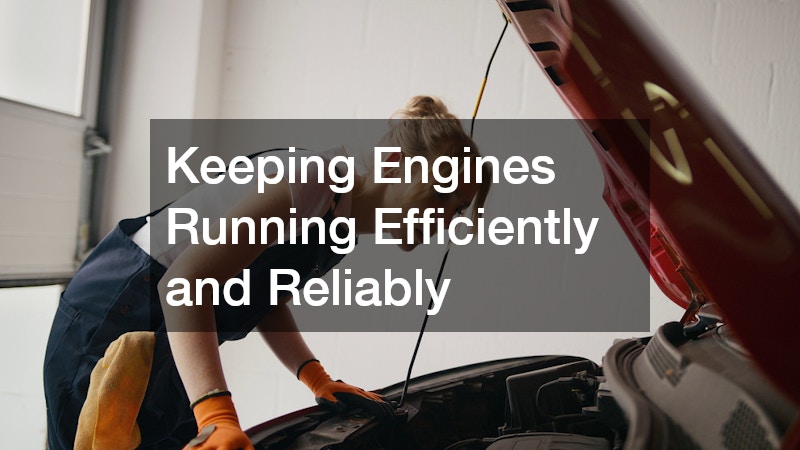
Your engine is the heart of your vehicle, and maintaining it properly is critical for performance and longevity. Whether you drive a standard gasoline vehicle or one powered by a diesel engine, understanding how to care for this system can save you from costly repairs and unexpected breakdowns.
Engines experience wear over time due to heat, friction, and continuous operation. Recognizing early warning signs can help you address issues before they escalate.
Common signs of engine trouble include:
- Decreased fuel efficiency
- Unusual knocking or ticking sounds
- Excessive exhaust smoke
- Difficulty starting or loss of power
Routine maintenance tasks that support engine health include:
- Regular oil and filter changes
- Replacing air filters to ensure proper airflow
- Monitoring coolant levels and system performance
- Inspecting belts and hoses for wear
In some cases, extensive wear or damage may require more significant intervention. Auto engine rebuilds can restore engine performance by replacing worn components such as pistons, bearings, and gaskets. This option is often more cost-effective than full engine replacement and can significantly extend the life of your vehicle.
For diesel-powered vehicles, maintenance needs may differ slightly. Diesel engines are known for durability but require careful attention to fuel quality, injection systems, and turbochargers. Regular inspections and timely servicing ensure optimal performance and reliability.
Taking a proactive approach to engine care reduces the risk of major failures and keeps your vehicle running smoothly for years to come.
Improving Exhaust Performance and Reducing Emissions
The exhaust system plays a crucial role in directing harmful gases away from the engine and cabin while also contributing to fuel efficiency and performance. When this system is compromised, it can lead to increased emissions, reduced efficiency, and even safety hazards.
Key components of the exhaust system include the muffler, catalytic converter, and exhaust pipes. Each part must function properly to ensure optimal performance.
Signs that your exhaust system may need attention include:
- Loud or unusual noises while driving
- Reduced fuel efficiency
- Vibrations or rattling underneath the vehicle
- Strong exhaust odors inside or around the vehicle
Addressing these issues promptly is essential. Muffler repairs, for example, can restore proper noise control and improve overall system performance. Ignoring muffler or exhaust problems can lead to more extensive damage, including harm to the catalytic converter or engine components.
Preventative maintenance tips:
- Inspect the exhaust system regularly for rust or corrosion
- Avoid driving through deep water that can damage components
- Schedule professional inspections if unusual noises occur
Maintaining your exhaust system not only improves performance but also helps ensure compliance with environmental regulations. By addressing issues early, you can avoid costly repairs and keep your vehicle operating efficiently.
Choosing the Right Tires for Safety and Performance
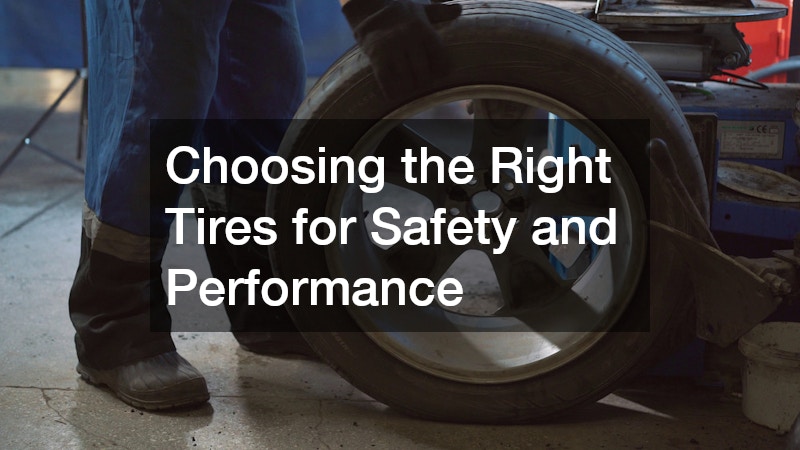
Tires are one of the most critical safety components of any vehicle. They directly impact handling, braking, and overall driving stability. Selecting the right tires and maintaining them properly can significantly enhance both safety and performance.
When choosing tires, consider factors such as:
- Driving conditions (wet, dry, snow, or off-road)
- Vehicle type and weight
- Tread design and durability
- Seasonal requirements
Working with a trusted tire dealer can help you select the best options for your specific needs. Professionals can recommend tires that balance performance, longevity, and cost-effectiveness.
Essential tire maintenance practices include:
- Checking tire pressure regularly to ensure proper inflation
- Rotating tires every 5,000–7,000 miles to promote even wear
- Inspecting tread depth and replacing tires when necessary
- Aligning wheels to prevent uneven wear and improve handling
Signs that it may be time to replace your tires:
- Tread depth below recommended levels
- Visible cracks or bulges in the sidewall
- Uneven wear patterns
- Reduced traction, especially in wet conditions
Proper tire care improves fuel efficiency, extends tire lifespan, and enhances overall driving safety.
Handling Breakdowns and Roadside Emergencies with Confidence
Breakdowns can happen unexpectedly, leaving drivers stranded and uncertain about what to do next. Knowing how to respond quickly and safely can make a significant difference in these situations.
Immediate steps to take during a breakdown:
- Move your vehicle to a safe location, such as the shoulder of the road
- Turn on hazard lights to alert other drivers
- Stay inside the vehicle if it is unsafe to exit
Preparing an emergency kit can help you handle unexpected situations more effectively. Recommended items include:
- Jumper cables
- Flashlight and extra batteries
- First aid kit
- Basic tools and tire repair kit
- Water and non-perishable snacks
In many cases, professional assistance is necessary. A reliable towing service can transport your vehicle to a repair facility safely and efficiently. Towing professionals are equipped to handle various scenarios, from flat tires to major mechanical failures.
Tips for choosing a dependable provider:
- Look for licensed and insured operators
- Check response times and availability
- Read reviews and testimonials
Being prepared and knowing when to seek help ensures that roadside emergencies are handled with minimal stress and risk.
Restoring Vehicles After Accidents and Damage
Accidents can cause both visible and hidden damage to your vehicle. Addressing these issues promptly is essential for safety and long-term performance.
Steps to take after an accident:
- Ensure everyone’s safety and seek medical attention if needed
- Document the scene with photos and notes
- Contact your insurance provider to begin the claims process
Professional inspections are crucial for identifying structural damage that may not be immediately visible. Body collision repair specialists use advanced tools and techniques to restore vehicles to their original condition.
Common repair processes include:
- Straightening the frame and repairing structural components
- Replacing damaged panels and parts
- Repainting and finishing surfaces for a seamless appearance
Choosing a qualified repair facility ensures:
- Accurate damage assessment
- High-quality workmanship
- Proper alignment and safety compliance
Timely repairs not only restore your vehicle’s appearance but also ensure it remains safe and reliable on the road.
Enhancing Functionality and Style with Custom Additions

Customizing your vehicle allows you to tailor it to your specific needs and preferences. Whether you use your vehicle for work, travel, or recreation, upgrades can enhance both functionality and aesthetics.
Popular customization options include:
- Bed liners and toolboxes for work trucks
- Lift kits and suspension upgrades for off-road performance
- Lighting enhancements for improved visibility
- Interior upgrades for comfort and convenience
Truck accessories provide practical solutions for improving storage, safety, and usability. Meanwhile, truck upgrades can boost performance, increase towing capacity, or enhance overall driving experience.
Tips for successful customization:
- Choose high-quality components designed for your vehicle
- Ensure compatibility with existing systems
- Work with experienced professionals for installation
Balancing style with functionality ensures that upgrades add value without compromising safety or performance.
Maintaining Specialized and Recreational Vehicles
Specialized vehicles, such as golf carts and recreational units, require unique maintenance approaches. While they may not face the same demands as standard vehicles, regular care is still essential for reliability and longevity. These vehicles are often used intermittently, which can lead to issues related to storage, battery life, and component wear if not properly maintained.
Golf cart services typically include:
- Battery maintenance and replacement
- Brake inspections and adjustments
- Tire checks and replacements
- Electrical system diagnostics
In addition to these core services, it’s important to routinely check steering components, suspension parts, and charging systems. Even minor issues—such as loose wiring or worn brake pads—can affect performance and safety if left unaddressed. Keeping a maintenance log can help track service intervals and ensure nothing is overlooked.
Seasonal maintenance is especially important for recreational vehicles. Before storage, ensure that:
- Batteries are charged or disconnected
- Tires are properly inflated
- Moving parts are lubricated
You should also clean the vehicle thoroughly to remove dirt, debris, and moisture that could lead to corrosion. Covering the vehicle and storing it in a dry, sheltered area helps protect it from environmental damage.
During active use, regular inspections help identify potential issues early, preventing breakdowns and ensuring safety. Pay close attention to unusual noises, reduced power, or changes in handling, as these can signal underlying problems.
Proper maintenance of specialized vehicles extends their lifespan and ensures they remain safe and enjoyable to use.
Recycling and Disposing of Vehicles Responsibly

When a vehicle reaches the end of its life, proper disposal is essential for environmental sustainability. Automotive recycling helps reduce waste and recover valuable materials for reuse, making it a critical component of responsible vehicle ownership.
An auto recycling service can safely dismantle vehicles and recycle components such as:
- Metal parts
- Batteries
- Tires
- Fluids
Beyond these materials, many additional components—such as glass, plastics, and electronic parts—can also be salvaged and reused. This reduces the demand for new raw materials and lowers the environmental impact associated with manufacturing.
Benefits of recycling include:
- Reducing environmental impact
- Conserving natural resources
- Preventing hazardous materials from contaminating soil and water
Another important advantage is that recycling facilities often refurbish usable parts, making them available for resale. This provides a cost-effective option for vehicle repairs while extending the lifecycle of automotive components.
Steps to prepare a vehicle for recycling:
- Remove personal belongings
- Cancel registration and insurance
- Drain fluids if required by the recycling facility
It’s also helpful to gather important documents, such as the vehicle title, to ensure a smooth transfer process. Some facilities may even offer towing or pickup services, simplifying the process for vehicle owners.
Choosing a reputable recycling provider ensures that the process is handled responsibly and in compliance with environmental regulations.
Coordinating Multiple Automotive Services for Efficiency
Managing multiple automotive needs can be challenging without proper organization. Coordinating services effectively helps reduce downtime, streamline repairs, and lower overall costs. A well-structured approach allows vehicle owners to stay ahead of maintenance needs rather than reacting to unexpected issues.
Strategies for efficient coordination include:
- Creating a maintenance schedule for routine services
- Prioritizing urgent repairs to prevent further damage
- Combining services, such as tire rotation and oil changes, during the same visit
- Keeping detailed records of maintenance and repairs
In addition, grouping seasonal services—such as tire changes, battery checks, and fluid inspections—can improve efficiency and ensure your vehicle is prepared for changing weather conditions. Digital tools or maintenance apps can also help track service intervals and send reminders.
Working with trusted service providers ensures consistency in quality and communication. Establishing long-term relationships with professionals can also lead to better service recommendations and faster turnaround times.
Clear communication is key when coordinating multiple services. Always discuss timelines, costs, and expectations upfront to avoid delays or misunderstandings.
Effective coordination streamlines vehicle care and helps maintain optimal performance.
Long-Term Planning for Vehicle Performance and Value
Long-term planning is essential for maximizing the lifespan and value of your vehicle. By taking a proactive approach, you can avoid costly repairs and maintain consistent performance over time. Planning ahead allows you to address minor issues before they become major problems.
Key strategies include:
- Scheduling regular inspections and maintenance
- Budgeting for both routine and unexpected expenses
- Upgrading components as needed to improve efficiency and reliability
- Monitoring vehicle performance for early signs of issues
It’s also beneficial to follow the manufacturer’s recommended service schedule and adapt it based on your driving habits. For example, vehicles used for towing or long commutes may require more frequent servicing.
Benefits of long-term planning:
- Improved safety and reliability
- Reduced overall maintenance costs
- Higher resale value
Keeping detailed service records can significantly increase buyer confidence if you decide to sell your vehicle. Consistent documentation demonstrates that the vehicle has been properly maintained.
A well-maintained vehicle not only performs better but also provides greater peace of mind for drivers and passengers.
Conclusion
Maintaining and improving a vehicle requires a comprehensive approach that addresses every aspect of performance, safety, and functionality. From engine care and exhaust maintenance to tire selection, collision repair, and customization, each service plays a vital role in keeping your vehicle in optimal condition.
By understanding available services and adopting proactive maintenance practices, vehicle owners can extend the life of their vehicles, reduce repair costs, and enhance overall driving experience. Working with trusted professionals ensures quality results and helps navigate complex repairs and upgrades with confidence.
With careful planning and consistent attention, you can keep your vehicle reliable, efficient, and ready for any journey ahead.