A road trip can change quickly when something unexpected happens. A vehicle may develop a mechanical problem, severe weather may affect the route, or an accident may bring traffic to a standstill. Even minor disruptions can become stressful when you are far from home and unfamiliar with the surrounding area.
The best response is to slow down, assess what is happening, and prioritize immediate safety. Trying to reach the next destination at all costs can create additional problems, particularly when a vehicle is showing signs of a serious malfunction. Having a general plan for common emergencies can also help you make better decisions under pressure.
Preparation matters, but so does knowing what to do when your original plans no longer work. The following steps can help you respond to vehicle problems, roadside emergencies, legal complications, and unexpected changes to your travel plans.
Build Safer Habits Before You Leave

Many road-trip emergencies become easier to manage when drivers practice habits that reduce the likelihood of a collision or other dangerous situation. A defensive driving course can help reinforce techniques such as scanning ahead, maintaining an appropriate following distance, recognizing developing hazards, and adjusting driving behavior to changing conditions.
Before leaving, think beyond the destination and consider the conditions you may encounter along the way. Check your vehicle, review the route, charge your phone, and identify places where you could safely stop if necessary. If you are traveling for several hours, plan breaks rather than waiting until you are exhausted.
A few simple preparations can make an unexpected situation less difficult:
- Check tire condition and fluid levels before departure.
- Keep a phone charger and basic emergency supplies accessible.
- Save important contact information before leaving.
- Know where you can safely pull over along unfamiliar stretches.
- Avoid driving when fatigue makes it difficult to concentrate.
Good preparation does not eliminate every road hazard, but it gives you more options if your plans suddenly change.
Know Which Mechanical Problems Require Immediate Attention
A vehicle can provide warning signs before a mechanical problem becomes a complete breakdown. Strange noises, overheating, unusual smells, warning lights, fluid leaks, or sudden changes in handling should not automatically be dismissed because the vehicle still appears capable of moving.
If a serious warning appears during a trip, find a safe place to stop rather than continuing simply because your destination is still several miles away. Once you are safely parked, assess what you can without placing yourself near traffic or attempting a repair you cannot safely perform.
If professional assistance is needed, an engine shop may be able to determine whether the vehicle can be repaired locally or needs to be transported.
Consider these steps:
- Record warning lights or unusual symptoms.
- Note when the problem first appeared.
- Avoid repeatedly restarting an overheating or severely malfunctioning vehicle.
- Move to a safe location before making calls or researching repair options.
- Keep receipts and records for repairs performed during the trip.
A small amount of information about the vehicle’s symptoms can help a repair professional understand the situation more quickly.
Address Exhaust Problems Before They Become Bigger Issues
Changes in exhaust noise can be easy to dismiss, particularly when you are focused on reaching the next stop. A suddenly louder vehicle, rattling underneath the car, or visible damage around the exhaust system can indicate that something needs attention.
If the vehicle develops an unusual exhaust sound during a trip, pull over when it is safe and determine whether the vehicle is otherwise operating normally. Do not crawl underneath a vehicle on the roadside or attempt to inspect hot components immediately after driving. If the location is unsafe, remain in a secure position while arranging assistance.
A muffler repair may be relatively straightforward when the problem is limited, but determining the cause is important before deciding that the vehicle is safe to continue.
Keep these considerations in mind:
- Pay attention to sudden changes in engine or exhaust sounds.
- Avoid touching hot exhaust components.
- Check for obvious damage only from a safe position.
- Do not park where a damaged exhaust system could create an additional hazard.
- Arrange professional inspection if the problem continues or worsens.
Addressing an unusual sound early can prevent a minor concern from interfering with the rest of the trip.
Stay Alert Around Commercial Trucks During a Breakdown
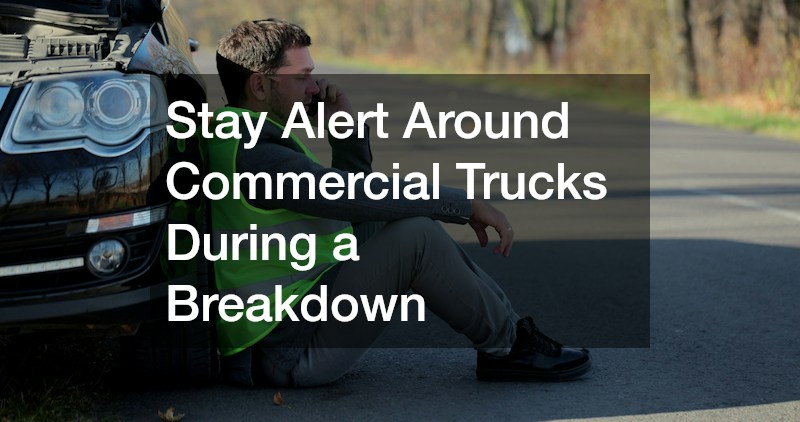
A disabled vehicle can become particularly vulnerable when it is stopped near large commercial vehicles. Trucks require substantially more space to maneuver, and drivers may have limited visibility around them. If your vehicle becomes disabled near commercial traffic, your priority should be creating as much separation from moving vehicles as possible.
If you see a commercial truck experiencing problems, give it plenty of room. A vehicle that appears stationary may still need to move, reposition, or receive roadside assistance. Avoid walking close to a truck or standing in an area where other drivers may not see you.
When a commercial vehicle requires specialized assistance, semi truck mechanics may need to work near active roadways or in difficult roadside conditions. Other motorists should slow down and provide additional space.
Drivers can reduce risk by:
- Increasing following distance around large trucks.
- Moving away from disabled vehicles when safely possible.
- Avoiding blind spots when passing.
- Watching for roadside workers and service vehicles.
- Following temporary traffic directions around a recovery operation.
Extra caution matters because roadside situations can change quickly, especially when large vehicles are involved.
Understand What Happens When a Large Truck Cannot Continue
A disabled commercial truck can create a larger traffic hazard than an ordinary passenger vehicle. Its size may partially obstruct lanes, and recovery can require specialized equipment and additional time. Drivers approaching the scene should reduce speed and prepare for sudden lane changes or stopped traffic.
If you encounter a large truck that cannot continue, do not assume that you can safely pass without slowing down. Watch for workers, equipment, warning lights, and vehicles entering or leaving the roadway. If traffic has been redirected, follow the temporary route rather than attempting to return to the original lane too quickly.
Semi towing is often more involved than moving a standard passenger vehicle. Specialized recovery operations may require careful positioning and coordination, which means other drivers need to give the area room.
When approaching a disabled truck:
- Slow down before reaching the scene.
- Look beyond the truck for workers or equipment.
- Avoid sudden lane changes.
- Leave additional space when passing.
- Follow signs and directions from roadside personnel.
Patience is especially important when a recovery operation is already underway.
Take the Right Steps After a Vehicle Becomes Disabled
Once your vehicle can no longer continue safely, focus first on getting yourself and your passengers out of immediate danger. If possible, move the vehicle completely off the roadway. Turn on the hazard lights and use appropriate warning equipment when available and safe to deploy.
When requesting assistance from a tow service company, provide your exact location, vehicle information, the direction you were traveling, and a description of the problem. Landmarks, highway exits, mile markers, or other location details can be especially useful when you are unfamiliar with the area.
Important steps include:
- Get as far from moving traffic as conditions allow.
- Turn on hazard lights.
- Share precise location information with assistance providers.
- Take essential belongings with you when leaving the vehicle.
- Avoid standing between your vehicle and passing traffic.
The goal is not simply to get the vehicle moving again. It is to manage the entire situation safely until help arrives.
Protect Yourself When a Road Trip Leads to Legal Problems
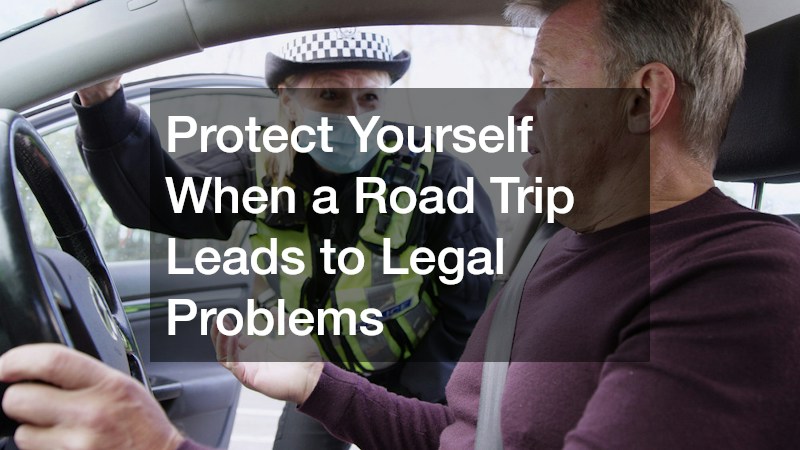
Some road-trip emergencies involve more than vehicle damage. A traffic stop, collision, or allegation involving impaired driving can create legal consequences that continue after the immediate roadside situation has ended. Staying calm and following lawful instructions is important while the situation is being addressed.
If you’re arrested or accused of driving under the influence, avoid guessing about legal procedures or assuming that the consequences will be the same as those in your home state. Laws and procedures can vary depending on where the incident occurs.
After the immediate situation is under control, DUI attorneys can provide guidance about the specific circumstances and legal process involved. Keep copies of paperwork provided by law enforcement and record important dates while the details are still fresh.
Useful steps include:
- Remain calm and respectful during the interaction.
- Follow lawful instructions from officers.
- Keep copies of citations or other documents.
- Record relevant dates, locations, and circumstances.
- Avoid discussing the incident casually on social media.
A serious traffic-related incident can be overwhelming during a trip, but organizing the available information can make the next steps easier to understand.
Decide What to Do With a Vehicle That Cannot Continue
A major breakdown can force you to reconsider the entire trip. If repairs are expensive, the vehicle has significant damage, or you are far from home, continuing with the original plan may no longer make sense. Instead of making a rushed decision, consider the vehicle’s condition and your practical alternatives.
Ask whether the vehicle can reasonably be repaired, transported home, or stored while you arrange another form of transportation. Gather estimates and documentation before committing to a major decision. For someone considering whether to sell your car for cash, it is important to understand the vehicle’s condition, ownership requirements, and the terms of the transaction before proceeding.
Before deciding, consider:
- The estimated cost of necessary repairs.
- The vehicle’s current condition and age.
- Transportation needs for the remainder of the trip.
- How the vehicle will be stored or transported.
- Whether you have the required ownership documents.
A stressful roadside situation can create pressure to act immediately, but taking time to understand your options can prevent another problem later.
Keep Your Travel Plans Moving When Transportation Changes
A vehicle problem can disrupt more than sightseeing. Some road trips overlap with relocations, family events, work commitments, or other plans that depend on reliable transportation. If your vehicle is carrying personal belongings or property that needs to reach another destination, the problem can become more complicated.
If a larger move is part of the trip, efficient movers may provide a practical alternative when your original transportation arrangement is no longer workable. The important point is to reorganize the plan rather than trying to solve every problem through the disabled vehicle.
Start by identifying:
- Items that must reach the destination quickly.
- Property that can remain with the vehicle temporarily.
- Alternative transportation options.
- Deadlines that cannot easily be changed.
- People or services that need to be notified about delays.
Breaking a complicated disruption into smaller decisions can make an already stressful situation much more manageable.
Handle Time-Sensitive Plans When Your Trip Goes Off Schedule

Unexpected delays can interfere with plans that have nothing to do with the vehicle itself. A breakdown, traffic closure, or accident may leave you unable to reach a planned destination on time. Instead of trying to personally complete every obligation, determine which commitments are genuinely time-sensitive and which can be postponed.
For example, if you planned to send a gift or flowers while traveling, same day flower delivery services may provide an alternative when your vehicle problem prevents you from making the delivery yourself. Similar solutions can help with other time-sensitive arrangements when transportation unexpectedly changes.
When a delay affects your plans:
- Identify the commitments that have fixed deadlines.
- Contact affected people as soon as possible.
- Look for services located near the destination.
- Cancel or reschedule arrangements that are no longer practical.
- Keep your focus on resolving the transportation problem safely.
A road trip does not have to fall apart simply because one part of the original plan no longer works.
Unexpected problems are part of the uncertainty that comes with traveling long distances. A mechanical failure, traffic incident, commercial vehicle breakdown, or sudden change in personal plans can leave you dealing with circumstances you did not anticipate. The most useful response is to avoid panic and focus on the next safe, practical step.
You may also need to adjust plans after the immediate emergency has passed. Whether that involves arranging transportation, addressing a legal matter, or finding another way to handle an important commitment, flexibility can help you recover from the disruption. A well-managed response can turn a stressful interruption into a problem with a clear path forward.